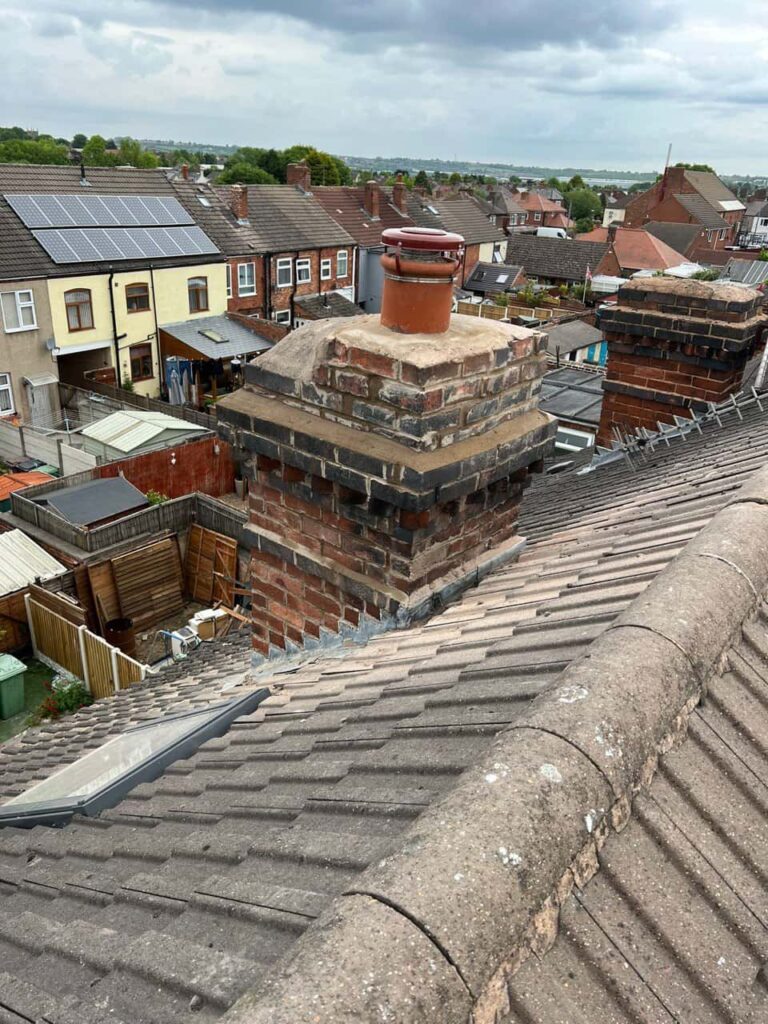
Roof tiles are designed to withstand years of exposure to the elements, but like any part of a home, they are not immune to ageing and gradual deterioration. When tiles become loose, they compromise the roof’s ability to protect the property, increasing the risk of leaks, structural damage and safety hazards. Understanding why roof tiles loosen over time helps homeowners in Fareham recognise early signs of trouble and act before problems escalate.
Weather Exposure That Weakens Fixings
Hampshire weather can be unpredictable, with strong winds, heavy rain and cold snaps all affecting roof tiles. Over the years, repeated exposure to these conditions weakens the nails, clips or mortar holding the tiles in place.
Common effects include:
- Wind uplift gradually loosening poorly secured tiles
- Rainwater penetrating under tiles and affecting battens
- Freeze–thaw cycles causing tiles to shift slightly during seasonal temperature changes
Even well-installed tiles are affected by decades of weathering.
Natural Ageing of Roofing Materials
Nothing lasts forever, and roofing materials are no exception. As the roof ages, the battens, felt and underlay beneath the tiles begin to deteriorate. When these supporting layers weaken, tiles lose some of the stability that keeps them firmly in position.
Signs of ageing include:
- Brittle timber battens
- Perished or torn underlay
- Mortar degradation around ridge or hip tiles
An ageing roof becomes more vulnerable to tile movement, even in moderate weather.
Movement of the Roof Structure
Homes naturally shift slightly over time due to settlement, timber movement, and changes in temperature and humidity. These subtle movements can cause tiles to shift out of alignment, making them more likely to loosen or slip.
This is particularly common in older properties around Fareham or those with timber roof structures that expand and contract seasonally.
Impact of Moss and Debris Build-Up
Moss, leaves and debris may seem harmless, but they can exert pressure on tiles and trap moisture beneath them. Moisture encourages timber rot and can cause tiles to lift or shift. Moss also grows under tile edges, gradually pushing them out of place.
Regular roof maintenance helps prevent this type of deterioration.
Poor Installation or Past Repairs
A roof is only as strong as the quality of its installation. If the tiles were not fixed correctly, spaced properly or laid with the right support, they are far more likely to become loose over time. The same applies to poor-quality past repairs, where temporary fixes may have left tiles vulnerable.
An inspection by an experienced roofer can identify these issues quickly.
Wildlife and External Interference
Birds, squirrels and other animals sometimes disturb tiles as they nest or move around the roof. Over time, this activity can loosen tiles, particularly around the edges, eaves or ridge sections.
Why Loose Tiles Should Never Be Ignored
A single loose tile can expose your roof to water ingress and further damage. If left untreated, it can lead to:
- Leaks and damp patches inside the home
- Rotting rafters, battens and roof decks
- Further tiles slipping or blowing off in bad weather
- Increased safety risks around the property
Prompt attention prevents small issues from developing into major repairs.
Conclusion
Tiles become loose for many reasons—from weathering and natural ageing to structural movement and poor past repairs. Understanding these causes helps homeowners recognise early problems and act quickly to protect the property.
If you suspect tiles on your roof may be loose or want a professional assessment for peace of mind, Fareham Roofing Repairs is here to help. We provide expert inspections and reliable repair solutions to keep your roof secure and performing at its best.
Call us on: 01329 759 098
Click here to find out more about Fareham Roofing Repairs
Click here to complete our contact form and see how we can help with your roofing needs.