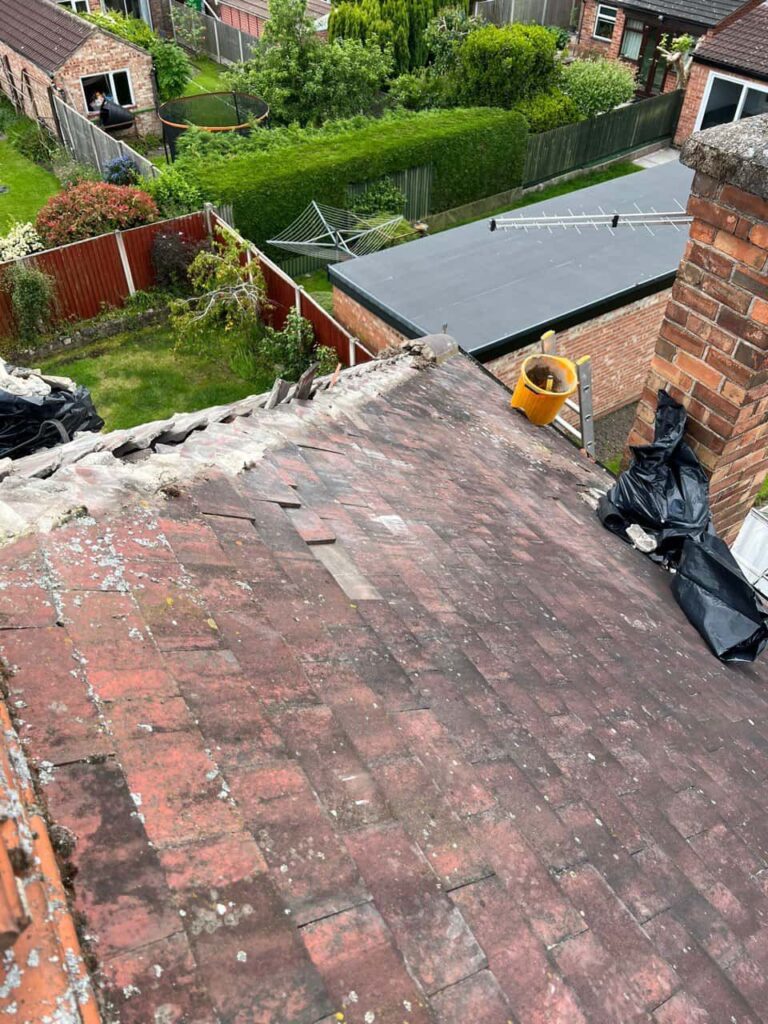
Roof design plays a significant role in how well a property withstands challenging weather conditions. In coastal and exposed areas such as Fareham, Hampshire, wind resistance is a particularly important consideration. One roof style that is widely recognised for its strength and stability in high winds is the hip roof. Its distinctive shape offers structural advantages that help protect properties during periods of strong or gusty weather.
This article explains why hip roofs perform so well in high winds and what makes them a reliable roofing choice.
The Aerodynamic Shape of a Hip Roof
Sloping Sides Reduce Wind Pressure
Unlike gable roofs, which have large vertical end walls, hip roofs slope downwards on all sides. This design allows wind to flow more smoothly over the roof surface rather than pushing directly against flat sections. As a result, pressure is reduced and the risk of uplift is significantly lower.
Fewer Wind-Exposed Surfaces
Because there are no large, upright gable ends, hip roofs present fewer areas for wind to catch. This balanced shape helps distribute wind forces evenly across the structure, improving overall stability during storms.
Stronger Structural Support
Enhanced Load Distribution
Hip roofs are supported by internal bracing on all sides, which helps spread loads more evenly throughout the structure. This balanced support system makes the roof less vulnerable to twisting or shifting when exposed to strong winds.
Reduced Stress on Fixings
Wind uplift places strain on roof fixings, tiles, and timbers. The design of a hip roof reduces concentrated stress points, helping roofing materials remain securely in place even during prolonged windy conditions.
Improved Performance During Severe Weather
Lower Risk of Tile Displacement
High winds can loosen or displace tiles, particularly on roofs with exposed edges. The sloping sides of a hip roof help protect tiles by reducing direct wind impact, making them less likely to shift or lift.
Greater Resistance to Storm Damage
Hip roofs are often considered more resilient during storms because their shape naturally deflects wind rather than resisting it. This reduces the chance of sudden structural failure during extreme weather events.
Long-Term Benefits for Property Owners
Consistent Roof Integrity
Over time, repeated exposure to high winds can weaken less stable roof designs. Hip roofs tend to maintain their integrity better, reducing the likelihood of recurring repairs related to wind damage.
Peace of Mind in Exposed Locations
For homeowners in Fareham, Hampshire, where wind exposure can be a concern, the inherent stability of a hip roof offers reassurance that the roof is better equipped to handle adverse weather conditions.
The Importance of Proper Construction and Maintenance
While hip roofs offer natural advantages, their performance still depends on correct construction and ongoing maintenance. Secure fixings, sound timbers, and well-maintained coverings all contribute to the roof’s ability to withstand high winds.
At Fareham Roofing Repairs, we inspect, repair, and maintain hip roofs for properties across Fareham, Hampshire, ensuring they continue to perform reliably in all weather conditions.
Conclusion
Hip roofs are more stable in high winds because their sloping, symmetrical design reduces wind pressure, distributes forces evenly, and limits exposed surfaces. This makes them particularly well suited to areas that experience frequent or strong winds.
If you have a hip roof in Fareham, Hampshire and want to ensure it remains secure and weather-resistant, Fareham Roofing Repairs can provide professional advice and reliable roofing services focused on long-term performance and protection.
Call us on: 01329 759 098
Click here to find out more about Fareham Roofing Repairs
Click here to complete our contact form and see how we can help with your roofing needs.