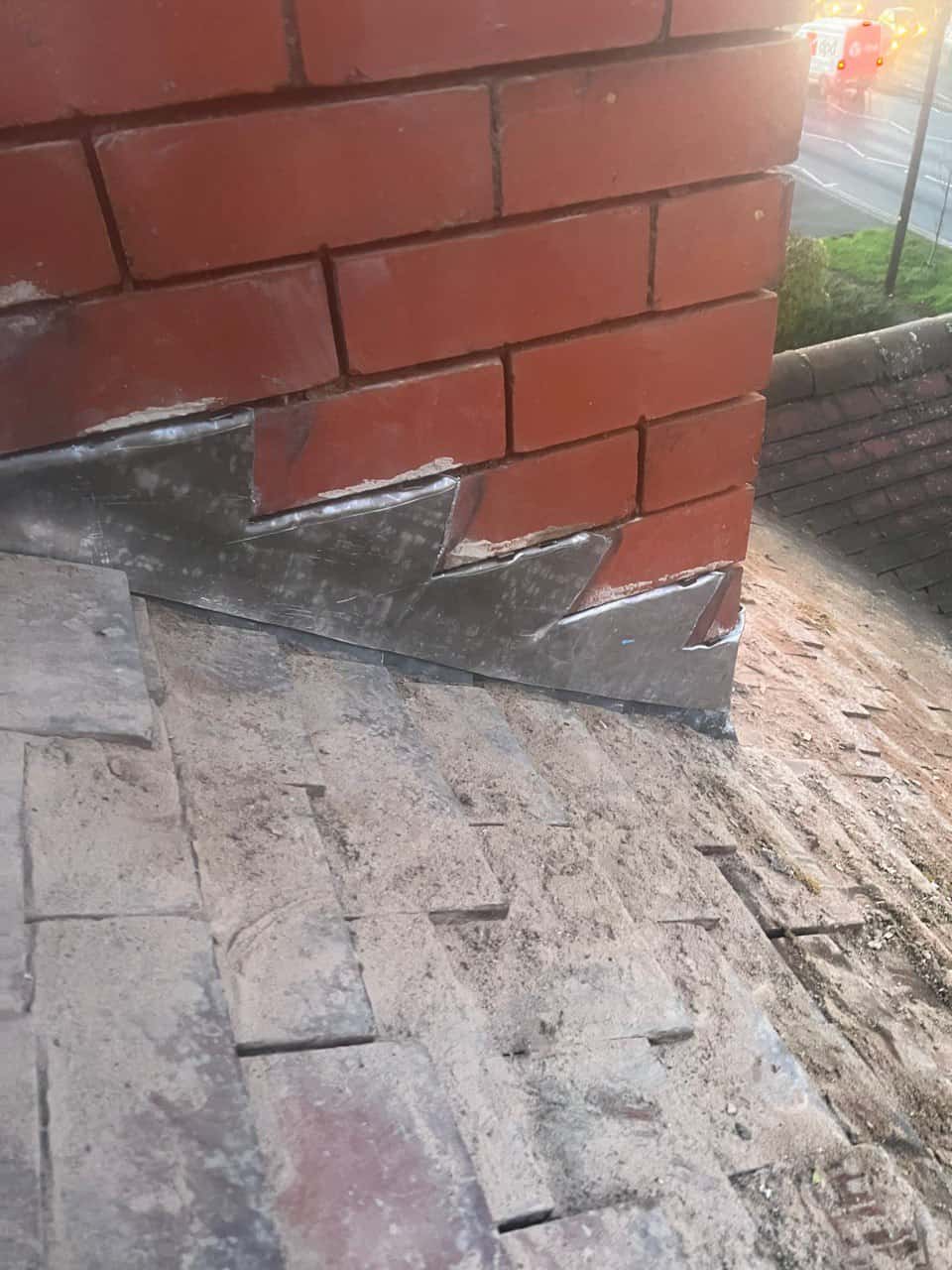
An older roof does not automatically need replacing simply because it has required repairs over the years. In fact, a strong history of well-executed roof repairs can mean that individual problems have been dealt with promptly, helping the wider roof remain serviceable for longer. The important question is whether those repairs are continuing to provide dependable performance or whether the pattern of problems is beginning to change.
For homeowners in Fareham, Hampshire, deciding between further roof repairs and replacement should be based on the current condition of the entire roof rather than age or repair history alone. A professional assessment can determine whether previous repairs remain sound, whether new defects are isolated and whether the roof continues to provide reliable protection.
What Does a Strong Roof Repair History Actually Tell You?
A roof that has received appropriate repairs throughout its life may be in considerably better condition than one of a similar age that has been neglected. Prompt attention to slipped tiles, damaged leadwork, deteriorating mortar, leaks and other localised defects can prevent relatively small weaknesses from affecting larger sections of the roof.
A repair history can therefore be positive. It demonstrates that defects have been identified and addressed rather than being allowed to worsen.
However, the number of repairs is only part of the picture. Their location, frequency and effectiveness are equally important when considering whether an older roof remains suitable for further repair.
Roof Age Should Not Be Considered in Isolation
Age is useful context, but it cannot determine the condition of a roof by itself.
Two roofs of a similar age may perform very differently. Materials, installation quality, exposure to weather, maintenance and previous repairs can all affect how a roof ages.
An older roof with sound tiles, secure components and effective previous repairs may continue to perform reliably. Another roof may show widespread deterioration despite having required relatively little attention in the past.
This is why an assessment based on physical condition provides more useful information than making a decision based purely on how long the roof has been in place.
Are Previous Repairs Still Performing Properly?
One of the first considerations should be the condition of earlier repair work.
If repaired sections remain secure and watertight many years later, this suggests that the original problems were correctly identified and effectively resolved. These areas should not automatically be viewed as weaknesses simply because they have previously been repaired.
The situation is different if the same defects repeatedly return. A recurring leak, repeatedly displaced tiles or continuing deterioration around the same junction may indicate that the underlying cause requires further investigation.
Understanding whether previous repairs have succeeded helps establish whether continued targeted maintenance remains appropriate.
The Frequency of New Problems Matters
An occasional repair on an older roof is very different from a roof that has started requiring attention increasingly often.
If repairs have been spread across many years and the roof remains generally dependable between them, there may be little reason to assume that replacement is immediately necessary.
A noticeable increase in defects deserves closer attention. Tiles becoming loose across several sections, leaks appearing in different areas or multiple components deteriorating around the same period can indicate that the roof’s overall condition is changing.
The pattern of repairs can therefore be more informative than the total number completed over the roof’s lifetime.
Localised Repairs Do Not Mean the Whole Roof Is Failing
A common misconception is that several previous repairs automatically indicate that a roof is approaching complete failure.
Roofs consist of numerous individual components, and localised defects can occur without compromising the entire system. A damaged tile can be replaced, deteriorated leadwork can be repaired and a specific roof junction can receive attention while the surrounding materials remain perfectly serviceable.
Where previous problems have been genuinely isolated and the rest of the roof remains in suitable condition, further targeted repairs can still be a sensible approach.
The key is confirming that each new defect is localised rather than part of broader deterioration.
Look for Patterns Across Different Areas of the Roof
When considering an older roof with a substantial repair history, it is useful to look at where those repairs have taken place.
Repeated work concentrated around one feature may indicate a particular vulnerability that requires closer examination. Conversely, repairs scattered across different sections over a long period may simply reflect normal ageing and exposure.
More concern may be warranted when similar problems begin appearing across large areas. If tiles throughout the roof are deteriorating, fixings are becoming unreliable or several junctions are failing at approximately the same time, individual repairs may no longer tell the whole story.
A whole-roof assessment helps establish whether there is a pattern that cannot be seen by looking at one defect in isolation.
What Is the Condition of the Original Roofing Materials?
A roof may contain a mixture of original materials and repaired or renewed sections.
The condition of the remaining original materials is important when deciding whether further repairs are worthwhile. If the majority of the roof covering remains secure and functional, replacing everything solely because certain areas have previously been repaired may be unnecessary.
If the original materials are becoming increasingly brittle, loose or deteriorated across widespread areas, however, the roof may require a different approach.
A professional inspection can assess how well the older materials are performing alongside previous repair work.
What Is Happening Beneath the Roof Covering?
Tiles and slates are the most visible parts of a roof, but they are not the only components that influence its condition.
When assessing an older roof, attention should also be given to relevant supporting and weatherproofing elements. Problems beneath the visible covering can sometimes explain why defects continue to develop even when individual tiles appear satisfactory.
This is particularly important when water ingress keeps returning or several repairs have been required in related areas.
Understanding both the visible roof covering and the components working beneath it provides a much clearer picture of whether further repairs are appropriate.
When Can Continuing With Repairs Make Sense?
Further repairs may remain appropriate when the roof is fundamentally sound and new defects are clearly identifiable.
This could be the case when previous repairs remain effective, problems occur only occasionally and the majority of the roof covering continues to perform properly. Addressing a specific damaged area can help maintain the roof without disturbing sections that remain serviceable.
Good repair decisions are based on proportion. The aim should be to correct genuine weaknesses while retaining sound roofing wherever appropriate.
When Should Replacement Be Considered More Carefully?
Replacement becomes more relevant when the pattern of deterioration changes from occasional localised defects to widespread or recurring problems.
For example, concerns may increase when several areas repeatedly allow water ingress, large sections of the covering are deteriorating or repairs are becoming necessary much more frequently than before.
Even then, the decision should follow a proper assessment. An older roof should not be condemned simply because it has accumulated a long repair history.
The purpose of inspecting the entire roof is to establish whether those repairs have successfully preserved it or whether deterioration has now progressed beyond individual areas.
Why a Whole-Roof Assessment Is Valuable
Looking only at the latest defect can provide an incomplete picture of an older roof.
A broader assessment can consider the condition of tiles or slates, ridge and hip areas, valleys, leadwork, roof junctions, previous repairs and signs of water ingress. It can also establish whether deterioration is concentrated in one location or distributed throughout the roof.
This provides a much stronger basis for deciding between further repairs and replacement.
It can also prevent unnecessary replacement where the roof remains fundamentally sound. Equally, it can identify when repeatedly repairing individual defects is no longer addressing the wider condition effectively.
Professional Roof Assessment and Repairs in Fareham, Hampshire
At Fareham Roofing Repairs, we understand that an older roof with a history of previous work needs to be considered carefully.
Rather than assuming that age or the number of past repairs determines what happens next, the current condition of the roof should guide the recommendation. Examining previous repair areas alongside the original roofing materials helps establish whether a new problem can be dealt with locally or whether wider deterioration requires attention.
For homeowners in Fareham, this approach provides practical guidance based on what the roof genuinely needs.
Conclusion
An older roof with a strong repair history does not necessarily need replacing. If previous repairs remain effective, new problems are infrequent and the wider roof continues to perform properly, further targeted repairs may still be entirely appropriate.
What matters is whether the pattern has changed. Increasingly frequent defects, recurring leaks or deterioration across several areas can indicate that the condition of the roof should be reviewed more comprehensively.
Age and repair history provide useful context, but neither should determine the decision on its own. The current condition of the complete roof is the most important factor.
If you have an older roof in Fareham, Hampshire and are unsure whether another repair is appropriate, contact Fareham Roofing Repairs. We can assess the condition of the roof and advise on a suitable approach based on what we find.
Call us on: 01329 759 098
Click here to find out more about Fareham Roofing Repairs
Click here to complete our contact form and see how we can help with your roofing needs.