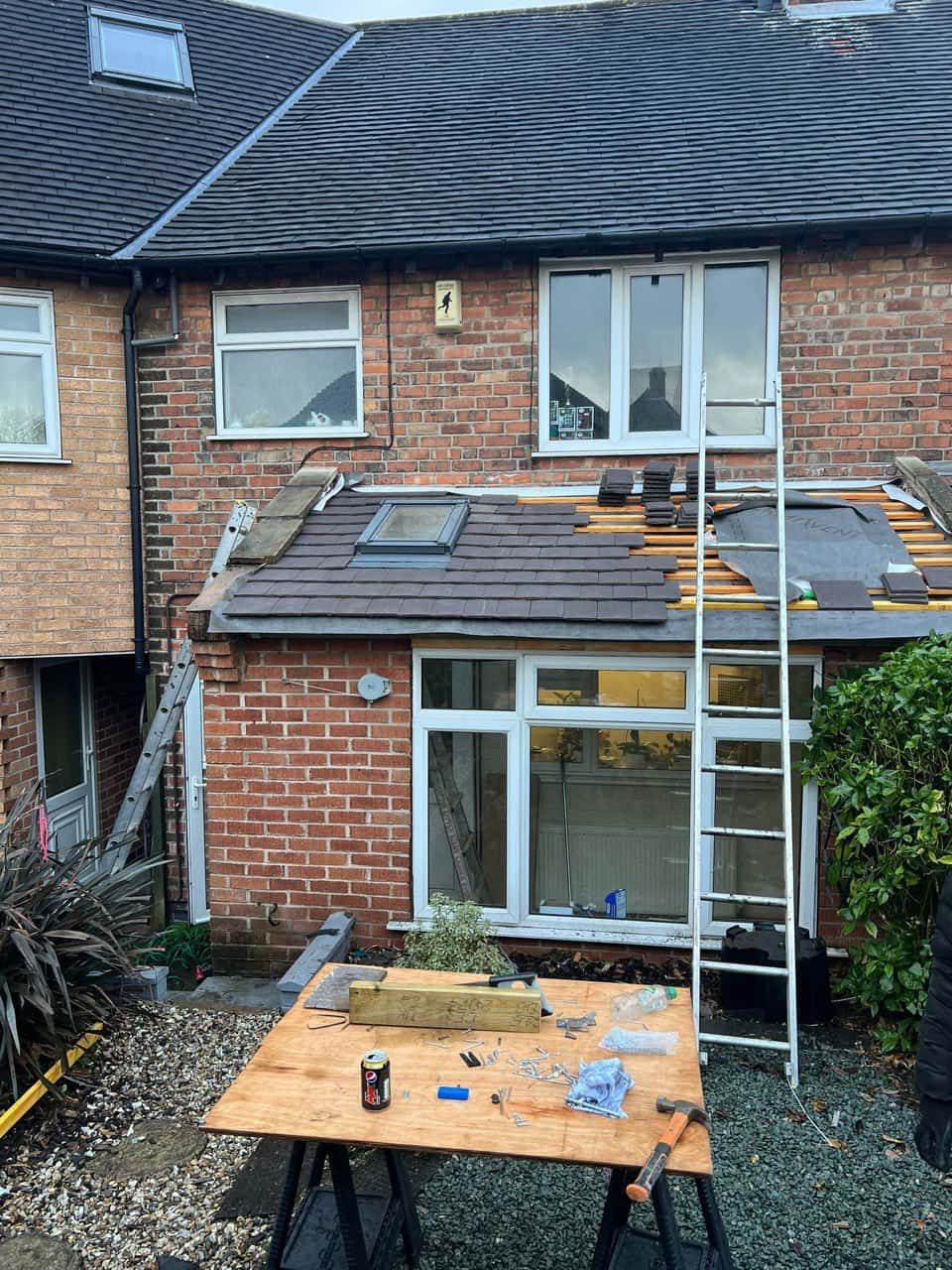
The roofline plays an important role in protecting a property from rainwater and damp. Fascias, soffits and gutters work together to support the roof’s edges, provide ventilation where required and direct water safely away from the building. When these components become damaged or blocked, moisture can affect the roof structure, external walls and other parts of the property.
For homeowners in Fareham, Hampshire, regular roofline maintenance can help prevent avoidable damage and keep the roof functioning effectively throughout the year. Knowing what to look for and when to arrange professional roofing repairs can make it easier to identify problems before they become more extensive.
Understanding the Role of Fascias, Soffits and Gutters
Although fascias, soffits and gutters are often considered together, each component has a distinct purpose.
Fascias are the boards fixed along the lower edge of the roof, where they can provide support for the guttering. Soffits sit beneath the roof overhang, helping create a neat finish while protecting the roof’s underside. Depending on the roof design, soffits may also incorporate ventilation to help manage moisture in the roof space.
Gutters collect rainwater running off the roof and carry it towards downpipes, which direct it away from the property. If any part of this system fails, water may overflow or enter areas that should remain dry.
Maintaining all three components helps preserve the condition of the roofline and reduces the risk of water-related problems.
Keep Gutters Clear of Leaves and Debris
Blocked gutters are a common roofline problem. Leaves, moss, twigs and other debris can accumulate inside the channels, restricting the flow of rainwater towards the downpipes.
When water cannot drain freely, it may spill over the gutter edges and run down external walls. Repeated overflow can contribute to staining, damp patches and deterioration around the roofline. Excessive debris may also add weight to the guttering and place additional strain on its fixings.
Inspect gutters periodically, particularly after autumn leaf fall or severe weather. If water overflows during rainfall or remains standing in the channels, a blockage or drainage issue may be present.
Gutter cleaning should be carried out safely. Avoid climbing ladders or reaching over roof edges without suitable equipment and experience. A professional roofing service can clear debris and check that the system drains correctly.
Look for Signs of Damaged or Deteriorating Fascias
Fascias are exposed to changing weather conditions throughout the year. Timber fascias may develop peeling paint, soft areas or rot when moisture penetrates the surface. Plastic fascias can become cracked, warped or loose as they age or their fixings deteriorate.
Warning signs include sagging guttering, visible gaps between boards, flaking finishes and discolouration around joints. These symptoms may indicate that the fascia needs maintenance or that water is entering from a nearby roof defect.
Addressing deterioration early can help prevent damage from spreading to adjacent components. Depending on the condition of the boards, repairs may involve securing loose sections, treating suitable timber or replacing damaged materials.
Check Soffits for Moisture and Ventilation Problems
Soffits protect the underside of the roof overhang, but they can also reveal signs of wider roofing issues. Cracks, loose panels, staining and peeling finishes may indicate weathering, water ingress or deterioration behind the visible surface.
Where soffit vents are fitted, they should remain clear so that the roof space can receive the ventilation intended by its design. Blocked or damaged ventilation openings may contribute to poor moisture control, particularly when combined with other ventilation problems.
If you notice dampness, mould-like growth or persistent condensation in the loft, the cause should be investigated rather than assuming that the soffits alone are responsible. A professional inspection can help determine whether the issue relates to ventilation, leaking roof components or another source of moisture.
Inspect Gutter Joints, Brackets and Downpipes
Even when gutters are free from debris, damaged joints or loose brackets can prevent the system from working properly. Water may escape through failed seals, while poorly supported sections can sag and allow rainwater to collect instead of flowing towards the outlet.
Downpipes also need attention. A blockage near the outlet can cause water to back up into the gutter, while a disconnected or damaged pipe may release water close to the property’s foundations.
Look for dripping joints, separated connections, loose brackets and water collecting near the base of downpipes. These signs suggest that the drainage system may need cleaning, adjustment or repair.
Ensuring that rainwater is carried away effectively helps protect the roofline and the external surfaces below it.
Prevent Water Damage by Acting on Warning Signs
Roofline defects can sometimes be mistaken for minor cosmetic issues. However, persistent water overflow, rotting fascia boards or leaking gutter joints may indicate a problem that requires prompt attention.
Watch for:
- Damp or discoloured patches beneath the roof edge.
- Gutters that sag, overflow or pull away from the fascia.
- Cracked, loose or peeling roofline materials.
- Water escaping from joints or running down external walls.
- Debris repeatedly collecting around gutter outlets.
- Signs of moisture or condensation in the loft.
These symptoms can have several causes, so it is important to assess the complete roofline rather than repairing only the most visible defect. For example, replacing a damaged fascia will not resolve a persistent leak if the guttering or roof covering is also allowing water to enter.
When to Arrange Professional Roofline Maintenance
Routine visual checks can help homeowners identify developing problems, but roofline components are often difficult to inspect safely from ground level. Professional maintenance provides an opportunity to examine the condition of the fascias, soffits, gutters, joints and associated roof edges more closely.
Depending on the findings, work may include clearing blocked gutters, repairing loose connections, replacing damaged boards or investigating signs of water ingress. Identifying the cause of a problem is essential to selecting an appropriate repair and reducing the likelihood of recurring damage.
For properties in Fareham, Hampshire, arranging an inspection when warning signs appear can help maintain effective drainage and protect the roofline from further deterioration.
Professional Roofline Maintenance in Fareham, Hampshire
Fareham Roofing Repairs provides roofing services to help homeowners maintain the condition and performance of their roofs, including attention to damaged roofline components. Whether you have noticed leaking gutters, loose fascias, deteriorating soffits or signs of water damage, a professional assessment can help establish what needs attention.
Keeping these components in good condition supports effective rainwater drainage and helps protect the surrounding roof structure. If your roofline needs maintenance or repair, contact Fareham Roofing Repairs to discuss your concerns and arrange a suitable assessment.
Conclusion
Fascias, soffits and gutters are essential parts of a well-maintained roofline. Regular checks, clear gutters and prompt attention to damaged materials can help prevent water ingress, protect external walls and reduce the risk of more extensive roofing problems.
For homeowners in Fareham, Hampshire, recognising early warning signs is an important step towards keeping these components in good condition. Fareham Roofing Repairs can help identify roofline issues and recommend suitable maintenance or repairs to keep your property’s roof drainage working effectively.
Call us on: 01329 759 098
Click here to find out more about Fareham Roofing Repairs
Click here to complete our contact form and see how we can help with your roofing needs.